Springfield Exit has ties to a highly respected band from the past, the Johnson Mountain Boys.
They played excellent bluegrass that stayed close to the model
established by Bill Monroe, Don Reno and Red Smiley and a host of
others. JMB members now with Springfield Exit include David McLaughlin
playing mandolin, Tom Adams on banjo and Marshall Wilborn
(bass). Wilborn (husband of Lynn Morris) has been named IBMA bass
player of the year and has played with Michael Cleveland and Longview.
He wrote the title number, a swinging beat with a walking bass line
that’s sung by the group’s lead singer, Linda Lay. “Some Old Day” has
been recorded by a long list of artists including Flatt & Scruggs
and J.D. Crowe.
Adams is an excellent banjo player who once had to quit touring because of a medical problem, focal dystonia. This caused erratic movement of his index finger. If you compare his playing in 1992 to today
you can hear that he has the licks we enjoyed when the JMB hit the
stage. Watching the video you can see he’s using his index finger to
pick.
Linda Lay has a good voice and spent many nights in the Carter Fold learning about this music and played with Appalachian Trail before forming Springfield Exit with husband David (guitar, vocals). For a look back at Wilborn and McLaughlin, here’s a performance from 1988 that included Dudley Connell and Eddie Stubbs. Experience and talent make for a great band.
Other traditional numbers include Ola Belle Reed’s“I’ve Endured,”“Elkhorn Ridge”
which features some good clawhammer, “George Cunningham,” a really good
song about Cunningham, who falls into trouble and kills a man, and is
then hanged for his deed—or was he? Eight-five years later his coffin is
dug up and—you need to hear the song for the rest. “Bad Reputation”
(not the Joan Jett song) is another great number as is Buzz Busby’s
“Lonesome Wind” (1958).
They also visit other genres and turn out some good music: “Peaceful
Easy Feeling” (Eagles), “You Ain’t Goin’ Nowhere” (Bob Dylan), “Till the
Rivers All Run Dry” (Don Williams), and “Don’t We All Have The Right,”
one of Roger Miller’s great songs, with Frank Solivan II singing
harmony. There is no overarching consensus on what makes music bluegrass
music, but it seems that while content can be important, the way you
play it, the sound you produce, is the key. Springfield Exit takes these
diverse songs and makes them bluegrass.
Mixing Celtic fiddles, old-time claw hammer banjo,
Latin percussion, blues- and Cajun-infused vocals, and a deft country
pop touch, Winnipeg's Duhks,
at their best, stretch traditional folk and string band sounds into the
21st century with a sharp freshness, all without distorting or
demolishing the group's traditional base, something that is a lot easier
to say than actually do. They aren't deliberately innovative so much as
they're smart assimilators, and even that can get stale and
predictable, a difficult line the band walks and mostly avoids on Beyond the Blue, the group's fifth studio album. Produced by Mike Merenda and Ruth Unger of the Mammals, and helped by the return of vocalist Jessee Havey (non-touring founding vocalists Tania Elizabeth and Jordan McConnell are also present here) and new members, fiddler Rosie Newton, drummer/percussionist Kevin Garcia, and guitarist/bouzouki player Colin Savoie-Levac, the Duhks seem rejuvenated throughout this set. The opener and title track, a fine cover of Beth Nielson Chapman and Gary Nicholson's "Beyond the Blue," suits Havey's
near-alto and wonderfully nuanced vocals, and sets the tone for the
varied fare that follows, including a nice reworking of the traditional
"Banjo Roustabout." No matter how far afield the band travels musically,
founder Leonard Podolak's
fine claw hammer banjo playing is always at the rhythmic center of
things, and paces nearly every track, including the stomping Cajun reel
"Lazy John," another of the album's highlights. If there's a danger in
the weeds for the Duhks,
it might be in trying to be all things at once, a situation they avoid,
for the most part, on this fine addition to their catalog.
You don't need to know anything about Sam Gleaves' backstory to hear
the truth and power in "Working Shoes," the lead-off track on Gleaves'
masterful Ain't We Brothers? To judge from the powerful lineup on the album, I'm not the only one who recognizes Gleaves' potential. But his backstory is
important: Gleaves is openly gay. It's literally the first item in his
promo materials ("Openly Gay Singer in Appalachia") and his songs. The
title track (supported by Tim O'Brien) turns a number of roots tropes on
its head: First things first I'm a blue collar man With scars on my knuckles and dust on my hands You probably didn't know that I've got a man waiting on me at home
This is what I was saying in my No Depression
article (and yeah, I'm gonna toot my horn on that one) -- a song is
only as powerful as the truth you put into it. Gleaves has the rare gift
of making us feel as if we truly know him well through his songs. I get
the sense that he is a kind but steadfast guy, one who speaks truth to
power, whether that power is oppressing the LGBTQ community, blue collar
workers, or the health and wellbeing of the people and environment
connected to the mining industry.Overall, Gleaves brings beauty to these
serious themes.
Even though marriage has been legalized across the nation, Ain't We Brothers?
highlights a fact that is all too easy for an urban queermo like myself
to forget: gay men and women -- and, not to say the least, trans*
people -- still face numerous challenges. It is unfortunate that in the
year 2015, Gleaves' choice to be proudly out is a courageous step in our
corner of music. While I am always eager to promote LGBT artists on
Adobe & Teardrops, the vast majority of these artists are women. We
can't pretend that the alt-country/roots world doesn't replicate the
broader oppression in our society. Thanks, Sam, for the gorgeous music.
You have an incredible path ahead of you, and I hope it'll inspire
people from all stripes of the rainbow to pick up a banjo and share
their voice.
One of bluegrass music's
strongest and most engaging performing groups, Nashville's The Grascals
have consistently freshened traditional sounds with modern, progressive
elements. Their Rounder albums were impressive with each an excellent
introduction to the group. More recently, the band has occasionally
faltered by producing music lacking distinction. Albums have been uneven
in both song selection and execution. The Grascals have attempted to
broaden their appeal in ways detrimental to their brand, "American
Pickers" from 2013 being just one example.
Confidently, The Grascals elect to have their
eighth album open with the voice of the newest band member, John Bryan.
Outside of it being a strong song, this decision perhaps indicates the
six-piece has been revitalized by his addition. The result is their
strongest album in years.
The Grascals continue with their three-lead
vocalist arrangement. Bryan is a complementary foil alongside Eldridge
and bassist Terry Smith. More than a decade in, the group's distinctive
vocal and instrumental arrangements are instantly identifiable, and
throughout "and then there's this..." the familiarity is welcomed and
celebrated.
Sung by Eldridge, the gentle lope of "The Road
of Life" stands out alongside Bryan's leads including "Sweet Little
Mountain Girl," "If You Want Me To" and "I Like Trains." In contrast,
"Warm Wind" is sang as a duet, an arrangement that appeals. Smith's
performance of "Old Friend of Mine," assured and homey, is appealingly
sentimental, revisiting familiar bluegrass textures favorably.
On the energetic "Delta Queen," Eldridge's
lively singing recalls the urgent whistle of a river boat, with Adam
Haynes' fiddling providing additional verve. And add "Autumn Glen" to
the list of fine bluegrass instrumentals, a showpiece for Haynes,
mandolinist Danny Roberts, and five-stringer Kristin Scott Benson. The
country gospel song "A Place to Hang My Hat," previously recorded by
Randy Travis and Porter Wagoner, fits in nicely.
From start to finish, in this case Bill Monroe's
plaintive "Highway of Sorrow," this album maintains the best parts of
The Grascals' country-tempered style of bluegrass, with lots of banjo
from Scott Benson: The Grascals are back at the top of their game with
"and then there's this..."
In a world where string bands are a dime a dozen, Rani Arbo &
daisy mayhem set themselves apart in several ways. For one, the New
England-based foursome doesn't take itself too seriously, infusing a
good bit of wit into their musical wisdom. For two, they enjoy their
work and their fans. And, for three, their use of “found-object”
percussion instruments -- cardboard boxes, tin cans, caulk tubes, bottle
caps, and more -- creates a sound like no other's.
Across 15
years and five albums, Rani Arbo, Andrew Kinse, Anand Nayak, and Scott
Kessel have come together to make award-winning music for the whole
family. For their sixth effort, Violets Are Blue, Arbo and
company have set their artistic sights on love, crafting a collection of
tunes that speaks truth to the power of that most trying and wonderful
of human endeavors. But, despite the album's name, don't expect a batch
of saccharin-sweet sonnets.
“After 15 years of playing what we
call 'agnostic gospel' music, we approached the idea of a love song
album with some concern,” Arbo says of the set. “Love songs, after all,
are a well-trodden path (understatement intended), and this band had
been walking a different line for many years. That being said, we had
written a small batch recently, and there was something tempting about
curating a collection of songs that were decidedly not in the 'roses are
red' camp. Violets Are Blue turned out to be a CD of sugar-free love songs -- broadly defined -- that tell it like it is.”
In the ever-present debate on tradition vs. innovation in bluegrass
music, I feel that the value of consistency is sometimes overlooked. It
seems like bands are always seeking to change up their sound from one
album to the next – adding in more country influences, or becoming more
“progressive,” or trying to be the next Lonesome River Band or IIIrd
Tyme Out. And that is all well and good, to an extent. However, there’s
something to be said about a band that finds a sound that fits them and
consistently produces good, solid albums that embody that sound. Chris
Jones & the Night Drivers is such a band.
With the group’s newest album, Run Away Tonight,
there are few surprises – Jones and his bandmates aren’t throwing in
any xylophones or guest vocalists from the death metal genre. Instead,
they deliver twelve well-written, well-chosen contemporary bluegrass
songs that occasionally lean towards a classic country feel. Jones’ lead
vocals are smooth and warm and the instrumentation is tasteful and
tight – just what fans have come to expect from the group.
The album opens with lead single Laurie, one of three co-writes from Jones and bass player Jon Weisberger and the current number one song on the Bluegrass Today
weekly chart. It’s a pretty simple song – the singer is at the window
of the girl he loves, asking her to run away with him – but there’s a
nice mixture of cheer and urgency as the singer almost pleads, “come on
down, we’re running out of time.” The mood switches on One Night in Paducah,
a mysterious, haunting tale of a one night stand that goes wrong in
more ways than one. Guest Tim Surrett’s dobro and Mark Stoffel’s
mandolin create a great dark atmosphere for the song.
Jones and Weisberger also collaborated on She’s Just About to Say Goodbye,
which features harmony vocals from Darin and Brooke Aldridge and
country-style fiddle from Troy Engle. The song is poised on the edge of
heartbreak, with the singer walking himself through what’s going to
happen when the one he loves leaves him. Once You’re Gone,
written by Weisberger and Jeremy Garrett, takes the opposite stance on
lost love, as the singer matter-of-factly tells his listeners that “If
you already know leaving is the right thing to do, then why don’t you go
and find something new.” Ned Luberecki’s cheery banjo opening on Dust Off the Pain helps
take this theme one step farther, with Jones stepping through “the
grief, the sorrow, and the tears” and looking forward to a new love.
One of my favorite songs here is one of the few songs not written by
band members, and also might win the prize for “Song I Was Most Hesitant
About Based on Title Alone.” I’d never heard Tom T. Hall’s Pinto the Wonder Horse is Dead,
and I was expecting something humorous or silly. However, the song is
an excellent reflection on the power of memories and the loss of
childhood, set to a mid-tempo, bouncy melody that fits well with the
singer’s memories of watching old westerns at the movie theater.
Other highlights here include the traditional, Celtic-tinged The Leaving of Liverpool, which features some fine harmonies on the chorus, and the thoroughly traditional cover of Flatt & Scruggs’ Thinking About You. Del McCoury’s tenor is hard to miss on the latter, as is Bobby Hicks’ always strong fiddling.
Fans of Chris Jones & the Night Drivers should have few, if any,
complaints about this album. Neither should those not as familiar with
the band. Jones, Weisberger, Luberecki, and Stoffel have been playing
together for close to a decade now, and they’ve just about got their
style down to an art.
The SteelDrivers
are a Nashville-based bluegrass band whose members aren't afraid to
highlight the blues and R&B influences in their music, so it makes
sense that they'd want to record in Muscle Shoals, Alabama, the city
that produced some of the greatest soul music of the '60s and '70s,
including major hits by Aretha Franklin, Wilson Pickett, the Staple Singers, and Solomon Burke.
Of course, the Muscle Shoals Sound Studios where all those sessions
took place is no longer a going concern, but apparently working under
the belief that there is something in the water in Colbert County, the SteelDrivers booked time at NuttHouse Recording Studio in nearby Sheffield, Alabama, and The Muscle Shoals Recordings is the fruit of those sessions. If the title were meant to suggest to fans that this was the SteelDrivers'
homage to classic soul music, well, that's not how the finished product
plays. Where there's an honestly soulful undertow to songs like
"Drinkin' Alone," "Here She Goes," and "Day Before Temptation," The Muscle Shoals Recordings
is a straightforward bluegrass set that walks a tightrope between
traditional and progressive styles, but doesn't make much effort to
break new stylistic ground. Of course, that's criticizing The Muscle Shoals Recordings for what it's not, when what it is happens to be solid and quite satisfying. The five SteelDrivers are outstanding pickers and vocalists who play beautifully, individually and as an ensemble, especially fiddler Tammy Rogers and banjo man Richard Bailey,
and they're gifted songwriters who've brought a wealth of fine original
material to the table for this album, including "Brother John," "Long
Way Down," and "Six Feet Away." They also wisely brought in Jason Isbell to produce and play on a few tracks, and his presence is unobtrusive but a genuine asset. The Muscle Shoals Recordings
isn't soul music, but it does happen to be music played with soul,
heart, honesty, and skill, which means in its own way it isn't so far
from the music that came from 3614 Jackson Highway after all. And if the
title suggests a concept that isn't quite there, the music speaks for
itself, and what it says is eloquent and deeply pleasing.
So what appears in my mailbox this week but a pre-release copy of
Johnny & Charlie’s latest salute to the great instrumental sound of
Flatt & Scruggs! Glory Hallelujah Land!
Same band as their 2011 Tribute to Paul Warren Vol. 2: Del
McCoury, Jerry Douglas, Brian Sutton and Kent “Superman” Blanton, with
Mike Bub playing bass on some numbers. Ah, but the music! This time it’s
not all familiar Flatt & Scruggs tunes or Paul Warren fiddle
numbers. Seven of the numbers are brand new compositions by Johnny and
Charlie, and they’re dandies. There are 3 real old time fiddle pieces
— quite obscure. Only Earl’s arrangement of Lonesome Reuben is truly familiar. A very nice surprise is a Scruggs-ified reading of Liza Jane.
It’s more of that great Foggy Mountain locomotive rhythm “band
sound,” with the lead instrument gliding over the top like a boat on a
fast but smooth river of 10W weight motor oil.
The cover portrait by Aly Callaghan is a nostalgic salute to the
Thomas B. Allen paintings that graced the covers of Flatt & Scruggs’
Columbia LPs for 10 years or so. This cover painting, the title Purely Instrumental, and the arrangements, all reference the 1966 Strictly Instrumental Columbia LP that Lester & Earl made with Doc Watson. The only thing missing is harmonica (thank God).
Tempo varies from stately to medium-paced to breakdown. An unexpected
treat which aligns with the Doc Watson reference, is that Brian Sutton
takes very nice flat pick breaks on some of the fiddle tunes.
Charlie’s banjo playing just screams tone, TONE, TONE all the
way through. How long has it been since a banjo player let some ¼ notes
or ½ notes ring out and really show the banjo’s voice? A term came to
mind, “plain spoken banjo.” And yet, especially up the neck, Charlie
does some of the finest syncopated tricky power picking since Earl
stopped doing this over 40 years ago. Banjo players will grin. Also
Charlie brilliantly supports the fiddle with wonderful runs and chord
structures on the “non-banjo” numbers, as nicely as Earl ever did.
And for the fiddlers – a master class in short bow fiddling, also
much lost and lamented now for decades. On a couple of tunes Johnny’s
joyous fiddling is so evocative of his dad that I envisioned Paul’s
smiling face bobbing and twisting at the mike as he fiddled a solo on
the Martha White TV show.
A tip of my hat to Jerry Douglas for once again keeping his dobro
playing “close to the ground” and evoking the old Uncle Josh style so
beautifully, while adding a few of his own notes and licks without
wretched excess. Whether taking a lead break, or in understated back up.
As on their last project, big props to the rhythm section of Del and
the bass men, plus the slap rhythm guitar (Sutton and Cushman both do
this to a T). On the banjo numbers and breakdowns, Lawd Lawd, they
conjure up that old Foggy Mountain rhythm that nearly tumbles over
itself in the joy of running free. And how nice to have bass playing
that’s loose enough to let things sound and feel like they’re
accelerating when the fiddle comes back in during a breakdown – it’s
exciting!
Every cut has a highlight for someone whether performing or
listening. Too much to describe here. Something you hear on this CD
will leave you all agog, I promise.
So there you have it friends and neighbors. You can still hear fresh
terrific top-drawer bluegrass picking as it was 50 years ago. Back when
all the bluegrass on your car radio didn’t sound the same. When the cut Way On Down The Road
from this CD comes on Sirius/XM Bluegrass Junction you’ll know what I
mean. And the pickers among you can fatten up your list of jam tunes
with some great new stuff from Purely Instrumental.
Dale Watson
has been been making records for 25 years, which makes him as much of a
veteran as any of the honky tonk legends who inspired him in the first
place, and like many music biz lifers, Watson
is a smart guy who knows how to give his fans what they want while
keeping thing fresh so he doesn't get bored. Released in 2015, Call Me Insane
may not sound like a major creative breakthrough (and ultimately it
isn't), but there are just enough countrypolitan accents in tunes like
"Forever Valentine," "Crocodile Tears," and the title track to show Watson
isn't just a honky tonk man, and his way with a weeper is every bit as
strong as his knack for tunes about beer drinking and good times. Watson's band -- including Danny Levin on piano, Don Pawlak on pedal steel, and Lloyd Maines joining Watson on guitar -- is in typically superb form on Call Me Insane, capturing the nuances of the intimate numbers and delivering the right amount of revved-up energy when Watson turns it up on his tribute to the Ol' Possum, "Jonesin' for Jones," and his celebration of true love, "Hot Dang." Watson
is as strong a songwriter as he is a singer, and he can tell the tale
of a working man ("A Day at a Time"), describe a romance gone bad South
of the Border ("Tienes Cabeza de Palo"), or ponder his own idea of
paradise ("Heaven's Gonna Have a Honky Tonk") with down-to-earth smarts
and a real gift for wordplay. In the grand tradition of Merle Haggard and Buck Owens, Dale Watson may not crank out masterpieces on a regular basis, but he never fails to deliver the goods when he goes into the studio, and Call Me Insane
shows the honky tonk man can still write 'em and sing 'em as well as
you could hope, and he's not slowing down a quarter-century into his
career.
The periwinkle glow of Third Man Records' Blue Room is enough to make
anyone feel like they're stuck in a Violet Beauregardian state of
consciousness, but Isakov, a South Africa-born, Philadelphia-raised
songwriter turned the place into an intimate living room serenade (even
with Jack White's beloved taxidermy hanging overhead). Isakov's songs,
wistful and often-string chugged, could blend into the landscape if they
were a hair less sincere or a hair more weepy, but the balance here is
just right. Crowded around a mic with his dynamite band, Isakov's
presence was delicately hypnotic, proving folk music can be electric and
impassioned without that virulent Mumford strum. —Marissa R. Moss
The Lumineers have just released the new video for “Cleopatra”, the title track from their amazing sophomore album. The video was directed by Isaac Ravishankara and follows a day in the life of a a taxi driver named Cleo.
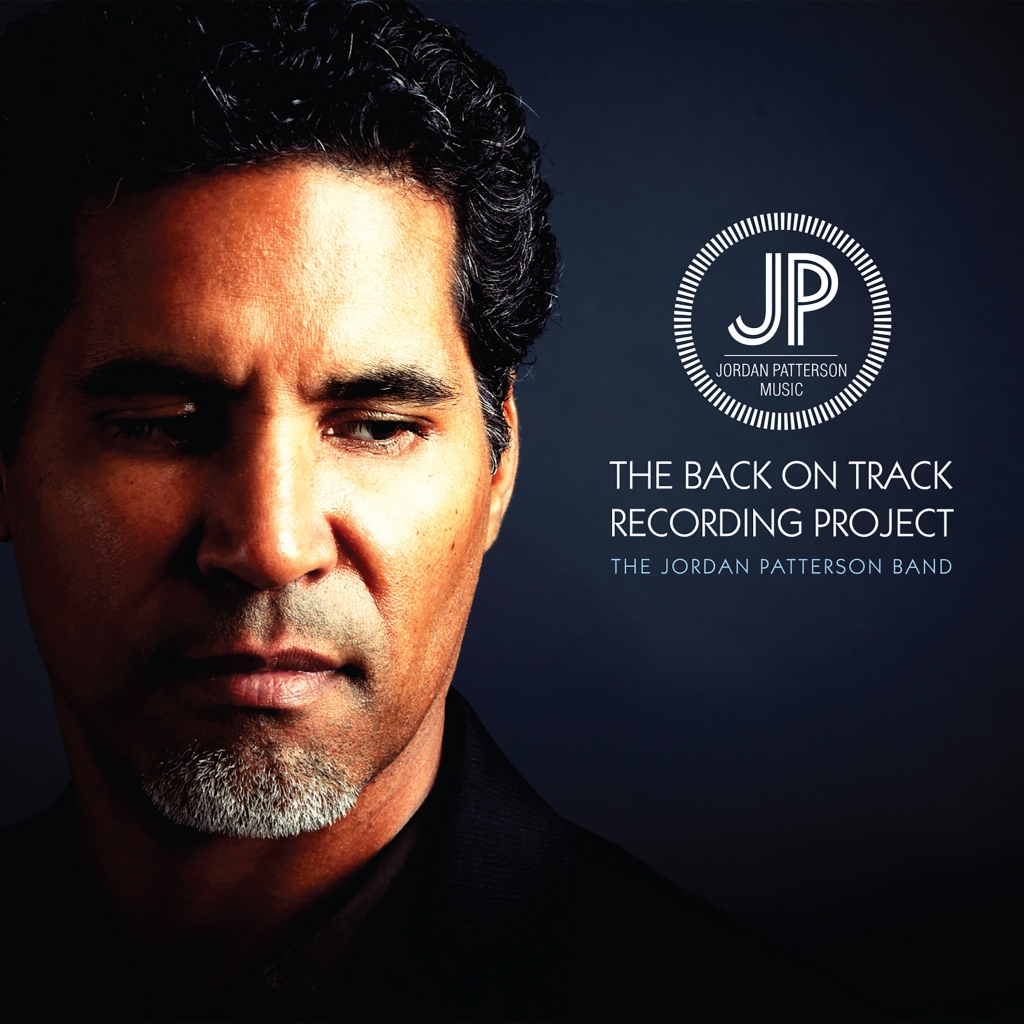
It’s been two decades since Canadian blues vocalist and harmonica player Jordan Patterson released his 1996 debut album, Give Me a Chance. At the time, Patterson was well on his way to establishing himself as a force to be reckoned within the international blues scene, having amassed a fan base through relentless touring and sharing stages with some of the genre’s most prominent legends. Now, following an extended hiatus, Patterson is picking up where he left off and releasing his long-anticipated sophomore album, The Back on Track Recording Project.
Patterson’s blues journey began as a child growing up in Kitchener-Waterloo, ON. The youngest child of nine, one of his sisters gifted him a harmonica and he immersed himself in the instrument, studying the works of blues harp heroes like James Cotton, Paul Butterfield and Mark Wenner of the Nighthawks. Inspired by both classic early blues and contemporary styles, the still-underage Patterson became a familiar face in blues clubs throughout Ontario and the northern United States. With the help of some friends, he managed to sneak into bars and get up close and personal with Buddy Guy, Frank Frost, Luther Tucker, Marcia Ball, Albert Collins, Koko Taylor, Junior Wells and many more.
Patterson moved to Alberta at 20 and became a key player in Edmonton with his band JP and the Heaters. His musical journey then took him to Washington, D.C., where he quickly became part of the who’s who of the local blues scene. He shared a house with Nighthawks guitarist Pete Kanaras and blues harp icon Doug Jay. Various musicians came through the house, one of whom was the celebrated Carey Bell who Jordan knew from childhood and they spent hours together, listening to stories and playing harmonica. Around this time, Patterson met his legendary mentor, influential blues guitar veteran Bobby Parker, who took Patterson under his wing, taking him to all of D.C.’s blues hotspots, both legal and not, and introducing him to everyone. It would prove to be a turning point in Patterson’s career, Parker and Bobby Rush, another childhood hero, then invited Jordan and his band to record at Taylor Made Studios, down in Jackson, Mississippi.
By the mid-‘90s, Patterson was touring throughout North America and Europe, and he and his band the D.C. Hurricane issued Give Me a Chance to rave reviews. All Music Guide, Living Blues Magazine and Juke Joint Magazine, and Blueprint Magazine called Patterson “a major star in the making.” The album got extensive radio play and the band became a fixture at clubs and festivals throughout the world. They shared stages with James Brown, Carlos Santana, Barbra Morrison, Son Seals, Robert Cray, Mick Fleetwood, and The Fabulous Thunderbirds. While in the UK, the group recorded sessions for the prestigious BBC Musical Archives. UK Company JSP Records, booked the band for a joint tour with blues journeyman U.P. Wilson, who was so impressed that he recruited the group to play on his 1997 album Whirlwind. At each new gig, Patterson found himself being regarded as a peer by his most esteemed musical idols.
Then, with his career still on the rise, Patterson suddenly decided to pack it all in. Staring out of a hotel window in Ireland, he opted to give up life on the road and pursue a more domestic existence as a concert promoter back home in Ontario. He started out lifting equipment before rising through the industry, working for various companies including House of Blues Concerts Canada and doing artist tour management for Britney Spears and others. These years of working with acts like Jack White, Lauryn Hill, Coldplay, The Black Crows, Jet, Diana Krall, D’Angelo and countless others gave Patterson the music biz savvy to match his years of being onstage.
After a decade and a half behind the scenes, Patterson was inspired by a friend who told him, “Y’know Jordan, one of these days you’re going to have to prove that your first album wasn’t just a fluke.” He resumed playing live in 2014 and released the EP version of The Back on Track Recording Project that same year. The singer-harpist then turned EP into a ten-song full-length version of The Back on Track Recording Project, released on February 19, 2016, with distribution through Fontana North.
The scorching LP features some truly world-class musicians handpicked for their individual excellence, which includes drummer Benjamin Rollo, bass player Mark McIntyre, Los Angeles based R&B/Soul Singer Skyler Jordan, and guitarists Shawn Kellerman, Darryl Romphf and Washington DC based Bobby Thompson. Produced by Romphf, it finds Patterson sounding every bit as fiery and impassioned as he did two decades ago. The band crank the fuzz on the rocking opener “Favourite Boy,” while the frontman shows off his finest harp wailing on the swaggering boogie of “She’s Cool.” Elsewhere, the melancholic “If You’d Help Me Please” is an incendiary slow-burner full of searing solos and looming riffs, while “Can We Fall in Love Again” is a sweetly romantic serenade that highlights the precision of Patterson’s soulful vocals. The stylistically eclectic album bears strong traces of funk and R&B while also harking back to Patterson’s early days as a hard rock aficionado, displaying the full breadth of the songwriter’s extensive musical experience.
The Back on Track Recording Project is more than just a riveting blues-rock masterclass: it’s a thrilling comeback from an artist whose career had seemed to end far too soon. Patterson is supporting the album with extensive touring; masterful guitarists Romphf and Thompson will be joining the singer on the road, along with the rhythm section of bassist Leonardo Valvassori (John Lee Hooker,Alannah Myles, Mel Brown, Ronnie Hawkins) and seasoned drummer Randall Coryell (Bo Diddly, Cowboy Junkies, Tom Cochrane and Red Rider, Paul Butterfield). Now that Patterson has returned in full form, fans can look forward to him doing everything he can to make up for lost time.
“…Honestly, if you listen to this and don’t want to go to one this guy’s concerts, there is something seriously wrong with you. While this is pretty rote rock and roll, in a sense, it smolders and begs you to even try to put out the fire…” Pop Matters, U.S.A.
“…It’s electrified, funkified, and modernized, yet still true-blue blues…” Critic’s Choice: Music – Baltimore Weekly U.S.A
“…Patterson has a gutsy, impassioned attitude and when he matches his confidence with the right tune, the results are powerful…” Stephen Thomas Erlewine, All Music Guide, U.S.A.
It isn’t surprising that Sam Morrow’s rugged, often ragged approach to contemporary country readily conjures up comparisons to Steve Earle, Jason Isbell and Merle Haggard.
He fancies himself as the same sort of grizzled, no-nonsense troubadour
whose insurgent sound puts him well outside the mainstream. On his
striking sophomore set, There Is No Map, he shows that he’s unafraid to pursue his own muse, even if it means stating emphatically exactly what’s on his mind.
“We’re all just fucking liars,” he defiantly declares on “Wasted
Time,” addressing the subject unequivocally without regard for
politeness or pretence. Indeed Morrow’s gruff vocals and steadfast
delivery show obvious intent. “Green” finds him railing at those who
might somehow be placated by the empty promises preachers and
politicians offer up all the time. “The same old bullshit don’t make
your grass green,” he chides his listeners, and given his irascible
perspective, it’s clear he isn’t interested in hearing any argument to
the contrary.
Fortunately though, Morrow isn’t simply a contrarian. The sprightly
“Train Robber” sounds like it could have been snatched from the John
Fogerty songbook, if the piano playing wasn’t quite so prominent. The
touchingly tender ballads “Hurts Like Hell” and “There Is No Map”
suggest that he can express both anger and emotion in an honest and
vulnerable way. Indeed, that ability seems to come naturally; Morrow’s
debut album, Ephemeral, found him struggling with the twin demons of addiction and depression, and doing so without any remorse.
And while its title suggests there are no easy answers, There Is No Map
affirms the fact that Morrow is determined to find a way out of the
abyss and face all the obstacles necessary. That road is frequently
rocky, and it’s littered with temptation, but as these songs
consistently make clear, he’s willing to take whatever risk is
necessary. A compelling collection spawned from an irascible attitude,
this sophomore set shows that Morrow is a pundit who wants to be
reckoned with.
Robby Hecht is as gentle a singer-songwriter as I can think of on the
Americana scene. His dedication to producing work of a precise and
careful beauty puts him on an uncompromising path that will always limit
his audience to those who have the patience to engage with him – but
then, once engaged, they’re likely to become dedicated to his sweet
poet’s voice. His songs tend to shimmer gently in the light of day,
glinting with the polish he has given them, softly catching your
attention rather than barking for it.
To give his third album his own name for its title, as if he’s
announcing himself to the world, suggests he sees this as something of a
fresh start. In fact he’s returned to Lex Price, who produced the first
album back in 2008, and this time they seem to have nailed a way of
giving him a produced sound that is both true to his own style and yet
seductive enough to catch the ears of a wider audience. There are some
star players on here – Marco Giovino, Will Kimbrough and John Deaderick
amongst them – and a wide palette of instrumentation on which to draw,
everything from fiddle and banjo to horns. Nothing intrudes on Robby
Hecht’s vocals however; everything is used with the utmost delicacy,
providing the very finest of steel strands by way of backbone. Piano,
organ and synthesisers in particular are used to great effect, the
gentlest of reinforcing to his melodic lines, whilst the guitar playing
throughout is beautiful – so subtly used that it could escape your
attention but listen to the soft guitar under Robby’s vocal on Stars and you could just swoon at the loveliness of it.
The surprise to me with this album is to hear the few more upbeat
numbers; as I’ve said, his songs tend to shimmer softly, but there are a
few songs here that are given the gentlest of driving beats in a way
that suits the man down to the ground. There’s something of a
higher-pitched JJ Cale about Papa’s Down The Road Dead and this is a joy to listen to, but the standout track by some distance for me is New York City.
Softly insistent drumbeats propel the song along; a dreamy electric
backing provides the perfect backdrop to some urban daydreaming. There’s
a nice little video to accompany this song, a jam-packed melange of New
York images old and new, an illustration of all the ideas and
impressions that inspired the song.
The more music I listen to, the more I appreciate the value of good production, and this one is spot-on. Robby Hecht is an album to absorb slowly, one where the quiet beauty will leave its mark on you.
Canadian roots duo Karrnnel Sawitsky and Daniel Koulack chose a
simple and straightforward name, Fiddle & Banjo. The duo delights in
the deeply subtle interplay between their two chosen instruments. On
their new album, Tunes From The North, Songs From The South,
their goal is to unite the instrumental dance music of the Canadian
North that they’ve known all their lives with the songs and tunes of the
American South from which they’ve drawn so much inspiration. Fiddler
Karrnnel Sawitsky grew up immersed in Canadian old-time fiddling. Banjo
player Daniel Koulack came to Winnipeg at 3 years old in 1968, and over
the years has come to be known as one of the best claw-hammer banjo
players in Cananda. The two met at a jam session at a Canadian folk
music camp and found a likeness in how they approached the roots music
they loved. Tunes From The North, Songs From The South
is Fiddle & Banjo’s second album together. Their instrumentation is
accompanied by the vocals of Canadian folk singer Joey Landreth of The
Bros. Landreth. The expert instrumentation combined with Landreth’s
vocals make for an excellent roots album.
The album opens with an instrumental piece featuring a frolicking
banjo and a soft fiddle. “Goofing Off Theme” is a peaceful little
number, one that’s just downright enjoyable to listen to. 8 tracks out
of the 13 tracks on this record are instrumental. “Lullaby” sounds
exactly how you’d expect a track called “Lullaby” to sound like. It’s
soft and peaceful, a sweet little tune that barely exists, silence being
the main sound on the track. I personally like it.
“Woodchuck Set” features an energetic fiddle with the banjo (cough
cough) playing second fiddle in the instrumentation lineup. The fiddle
and the banjo dance together in beautiful harmony on “Waltz Of Life”.
The track is a sweet, slow waltz. Another subtle, quiet track on the
album is “Rubin”. This duo are experts at crafting instrumental tunes!
You find yourself filled with happiness and peace when listening.
“Traditional Tune” is a track you’ll be tapping your foot along to,
featuring energetic instrumentation. “Sally In The Garden” has a Celtic
feel to it, and there’s a mournful/melancholy mood to it. Another
energetic song, and one that’s easy on the ears, is “The Old French
Set”.
Along with the instrumental tracks on the record, there are also 5
tracks featuring vocals by Joey Landreth. “Little Birdie” is the first
track on the album that Landreth lends his soulful vocals to, a
rollicking tune that excites the ears and engages the mind. It’s an
interesting track because it’s put together differently, the choruses
aren’t where you’d expect them to be. Another track that you’ll find
yourself tapping your foot along to is the traditional folk tune,
“Groundhog”. This is my new favorite version of this track. The song
celebrates the groundhog – hunting and eating it. Fiddle & Banjo’s
version is more subtle than the others that I’ve heard, easier and
softer on the ears.
“Red Rocking Chair” is another new favorite version of a traditional
song. The track starts out with a subtle banjo and Landreth’s vocals,
then picks up tempo, adding the fiddle and a female vocal to harmonize
with Landreth’s lead. By far the most soulful track on the album,
“Killin’ Floor” is an excellent tune. The banjo and fiddle adds soul to
the already soulful vocals by Landreth. The record closes out with the
soft, soulful “How Does A Poor Man Stand Such Times And Live”. It’s a
track that addresses the struggles of living as a poor man and the cost
of living. It’s a nice way to close out a beautiful album.
Overall, this album is a superb roots/folk album. The expert
instrumentation is absolutely stunning and stellar, and definitely the
main focus of the record. Joey Landreth’s vocals adds soul, texture, and
character to the 5 lyrical tracks on the album. I’d recommend this
record to anyone looking for great roots music, instrumentals, or just
excellent music. Trust me, you’ll want to take a listen!
Ever since he released his first record, Langhorne Slim
seems to have been searching for a sound that suits his emphatic yet
introspective lyrical style and rootsy melodies, from the scrappy
sitting-around-the-campfire mood of his 2005 debut When the Sun's Gone Down to the polished and cleanly orchestrated figures on 2009's Be Set Free. On his fifth full-length album, 2015's The Spirit Moves, Slim has finally recruited a full-time backing band, the Law, featuring David Moore on banjo and keyboards, Jeff Ratner on bass, and Malachi DeLorenzo on drums, and in many respects this makes for one of Langhorne Slim's
most musically satisfying albums to date, delivering performances that
are clever, taut, and intuitive but leave just enough space for Slim's impassioned vocals and elemental guitar work. Slim also had other valuable collaborators on The Spirit Moves -- producer Andrija Tokic
has given these sessions just a light buff and polish that allows the
details to stand out (and the sparing use of strings and horns gives the
arrangements a soothing undertow without robbing the music of its
organic tone and feeling), and songwriter Kenny Siegal collaborated with Slim on eight of the album's 12 songs, firming up the frameworks of the tunes while keeping Slim's essential lyrical and melodic personality firmly in place. As for Slim,
he's still trying to sort out his troubles with life, love, and the
world around him, but the unpretentiously intelligent outlook of his
songs suggests he's a man whose navel gazing is not about just his own
troubles, but the large-scale job of sorting out one man's place in a
big world, and if he doesn't always have answers, at least he knows how
to ask the right questions. Hopefully Langhorne Slim will have worked out a few of his deeper thoughts in his next album with the Law, but at very least The Spirit Moves sounds like a sure-footed step in the right direction.
The Boston-based modern bluegrass quartet Della Mae received a Grammy nomination for their Rounder debut, 2013's This World Oft Can Be, their second album overall. The Del McCoury Band won it, but the nomination showed the size of the league that Della Mae plays in.
On this self-titled effort, they enlist veteran producer Jacquire King (Tom Waits, Norah Jones, Melissa Etheridge).
Musically, they didn't need to do anything radically different -- and
they don't, but there is a marked difference here. It can be attributed
to the confidence that comes from playing together for six years. As a
result, the songwriting and arranging have grown immensely. Adding Mark Schatz's
upright bass on this date adds not only depth, but weight and emotional
heft to these songs. On "Rude Awakening," his riff-like pulse adds a
near rock & roll heaviness to the meld of country gospel, blues, and
bluegrass. On "Can't Go Back," he plays arco, offering a harmonic and
textural counterpart to Kimber Ludiker's fiddle and Jenni Lyn Gardner's chunky mandolin. Lead vocalist/rhythm guitarist Celia Woodsmith and lead guitarist/banjoist Courtney Hartman
(who also sings harmony and takes the mike on the spooky "Long Shadow")
wrote these two songs (and three others) together. They are a dynamite
team, intuitively aware of how to balance the group's sense of melodic
adventure with their instrumental prowess and startling collective
singing. They also co-authored the swinging, bluesy "Shambles" and the
straight-up bluegrass number "Take One Day." There are three covers on
the set as well, among them a tender, wrenching version of the Low Anthem's "To Ohio" and a world-weary version of the Rolling Stones' "No Expectations" with great slide guitar work from Hartman.
The closing number, "High Away Gone," though brief, contains some real
experimentation with sound and texture -- the application of reverb, a
skeletal banjo, droning musical saw (courtesy of Elephant Revival's Bonnie Paine), layered harmony vocals, and Woodsmith singing both the call-and-response parts -- and it's chilling. On this album, Della Mae
expand their roots-and-groove quotient, and extend the margins in their
writing without sacrificing either the virtuosity and sparkle in their
performance or the root persona in their sound.
On their follow-up, Strange Trails, Lord Huron settle into the Western themes and sense of open prairies that marked the band's debut, Lonesome Dreams. Frontman/songwriter Ben Schneider
fully embraces the American West/Troubadour character, illustrated even
in song titles like "Dead Man's Hand," "Meet Me in the Woods," and "The
Yawning Grave." The album's lyrics tell haunted stories of adventure
and survival ("On the night you disappeared/Oh, if I had seen it
clear/But a strange light in the sky was shining right into my eyes"),
with nature imagery ("In a grave out here where the carrions cry"), and
the occasional old-time turn of phrase ("Before I commence my ride/I'm
asking Lily to be my bride"). With warm electric guitar sounds, soft and
constant reverb, harmonized vocals, and a faint but persistent twang,
it's a contemporary, specifically Fleet Foxes-reminiscent,
indie folk-influenced rock haunted by allusions to the Old West.
Listeners may envision fringe and spurs without any overt country
presence (though there's certainly a subtle one) outside of lilting
vocals, such as on "Way Out There." The band still focuses more on
atmosphere and haunting, harmonic sound and rhythm than on progressions
or memorable hooks, but the landscapes that they create are consistent
and sound-defining, and there's no shortage of eerie beauty in the
melodies. "The Night We Met," in particular, has a lullaby quality to
its wistful, singsong melody ("I don't know what I’m supposed to
do/Haunted by the ghost of you"). The record takes a few interesting
musical routes on its journey: the reverbed rockabilly and surf sounds
of "The World Ender," the campfire-gathering feel of "Meet Me in the
Woods" with handclaps and female vocal harmonies, and the pulsing,
ramblin' road tune "Frozen Pines" all contribute to an impression of
timelessness as well as a certain folksiness befitting the album's
well-established rural themes. There are no big surprises here; fans of Lonesome Dreams will surely be pleased, and Strange Trails' serene ambience and unconventional narrative may capture the imagination of inclined first-timers.